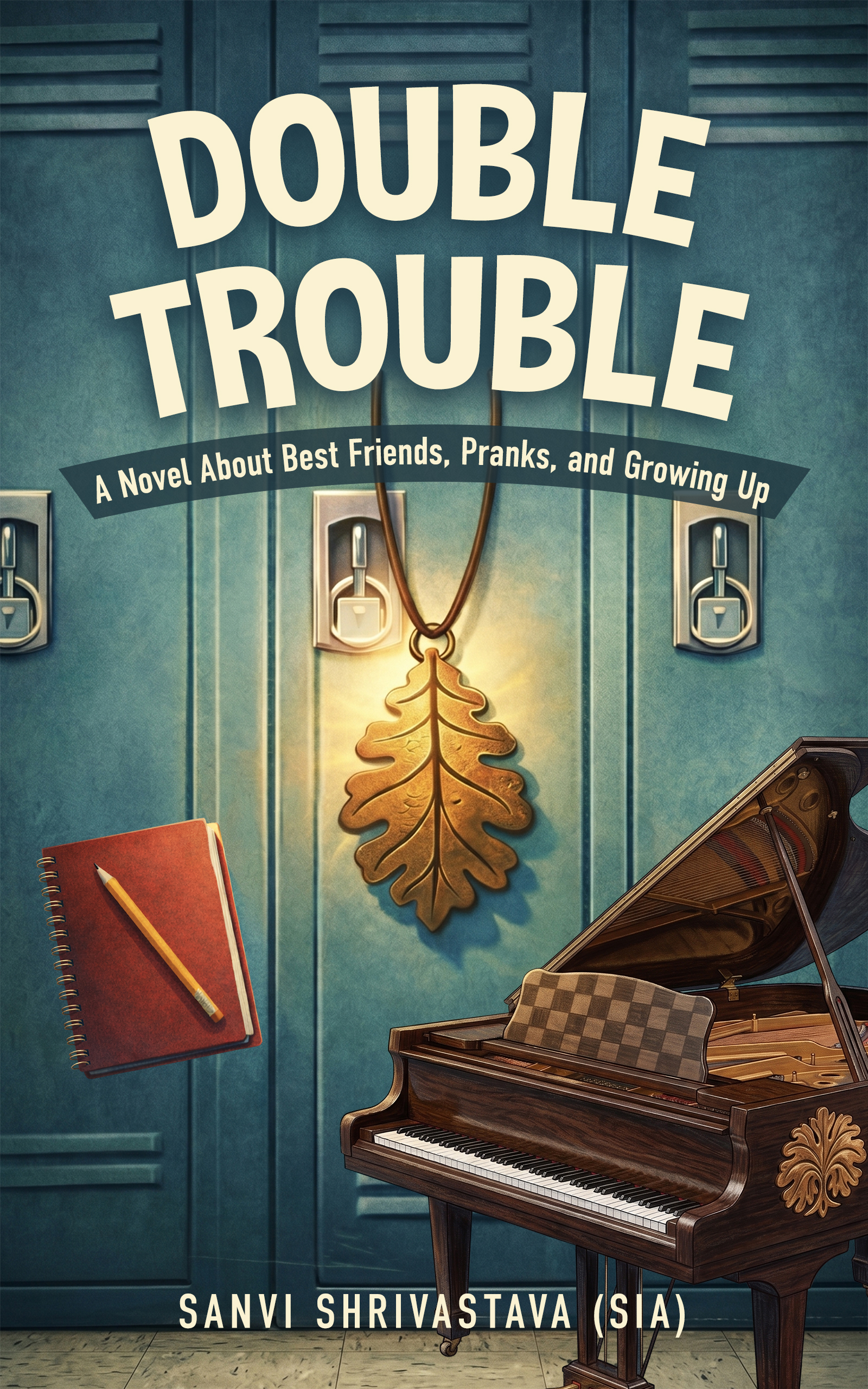
Text 100%
Sanvi Shrivastava
Welcome!
Writers'
Workshop.
A young author created this space where readers can explore short stories, film scripts, poems, book publication, and ten-minute plays while learning how imagination turns into finished creative work.
Start with one idea. Keep writing until it becomes something.
5+
Published books
25+
Short stories published
50+
Songs composed
8
Age she began writing
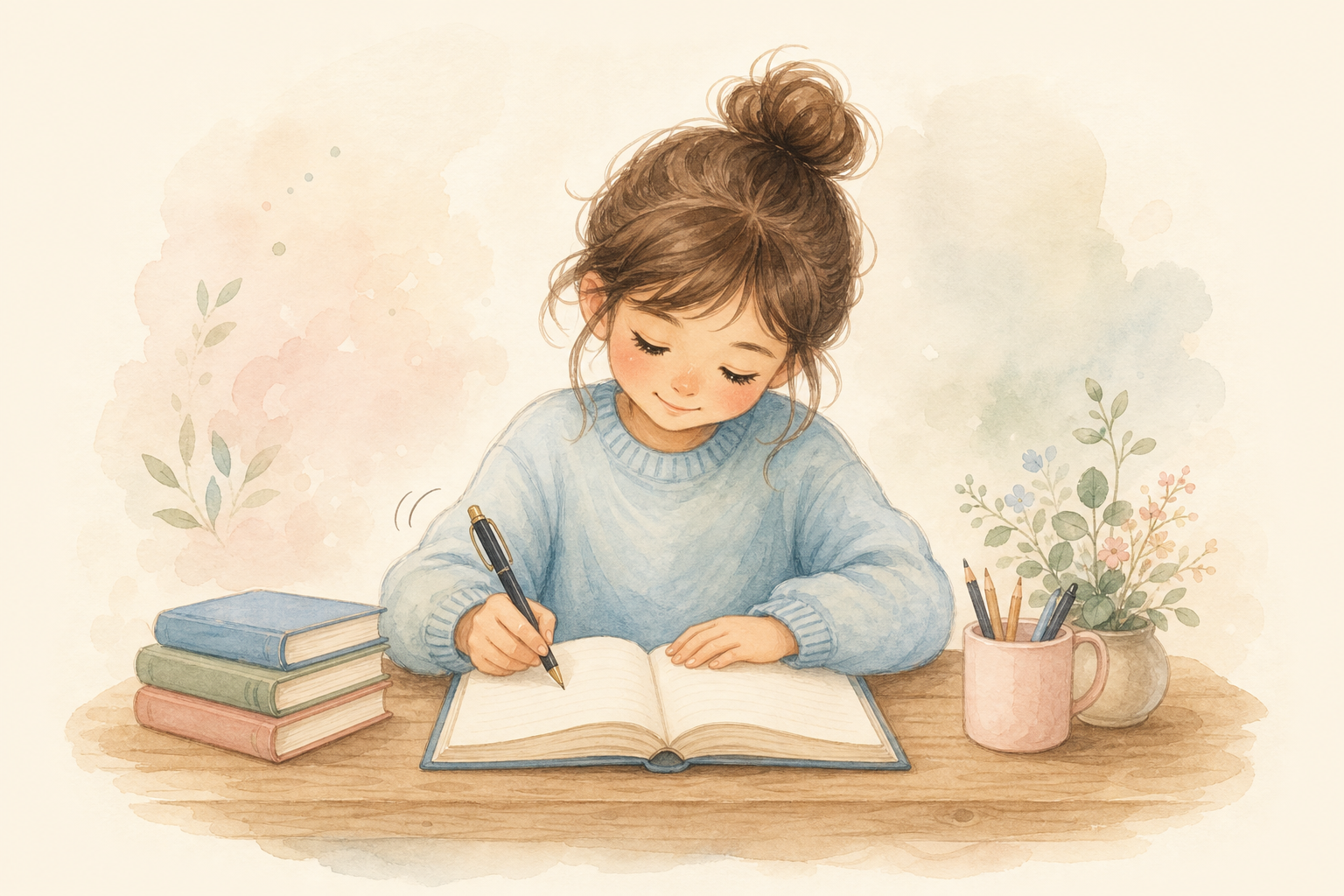
About The Mentor
Hello, my name is Sanvi Shrivastava!
This website is here to help young writers build confidence, discover new ideas, and learn how stories, poems, scripts, and plays can grow from imagination into finished creative work. By reading these examples, you can explore different genres, strengthen your writing voice, and feel inspired to create something of your own.
I also like playing the piano, a skill I've been teaching myself for the past seven years. To date, I have composed about 50 songs and created my own music language.
Additionally, I have a strong passion for writing. I began writing books when I was just eight years old and am now a published author on Amazon with five books. I'm currently working on my next book, which is set to be published this year.
The Purpose
Purpose For Act
When you decide to write a book, you have to consider other factors, too. Dedication and persistence are the main elements in a book. I'm a published author on Amazon. I have written five books, and I am here to help you achieve something that you love.
Writing is a blessing. I really hope you can do the same if you truly believe it, so come with me to look at my writing examples and unleash the talent you have within yourself.
My Mission For You
I want to help you increase your ability in the joy, success, and imagination in writing. Keep the power of creativity alive by reading the amazing stories I wrote for you!
Creative Reads
Choose a category and start reading.
Stories, poems, and creative shorts gathered in one place.
10-Minute Plays
Read the featured play.
Featured Play
The Investigation
Mentor Notes
Writing Tips from Sia
Before You Start
- Know what you want and see the vision.
- Give your main character a goal.
- Give them something standing in their way.
- Ask yourself, "Why would someone keep reading?"
The Beginning
- Always make sure your first couple sentences grab your reader's attention so they're willing to keep reading.
- Avoid explaining everything immediately.
- Create curiosity before giving answers.
Characters
- Give every important character a purpose.
- Let characters have strengths and flaws.
- Show personality through actions, not descriptions.
- Let characters make mistakes for realism.
Dialogue
- Remove unnecessary greetings and small talk, but keep enough to let it feel natural.
- Make conversations sound natural.
- Make sure dialogue sounds flowy, not forced or like it is adding unnecessary input to the conflict itself.
Worldbuilding
- Describe only what matters.
- Use the five senses.
- Let readers discover the world naturally.
- Avoid overwhelming readers with information.
Description
- Show emotions through actions and body language.
- Avoid repeating the same descriptions.
- Keep the story moving while describing.
Emotion
- Make readers feel instead of simply telling them what happened.
- Build emotional moments gradually.
- Give victories and losses real consequences.
- Trust readers to understand emotions that are not fully explained.
Pacing
- Alternate between fast and slow moments.
- End scenes with a reason to keep reading.
- Cut scenes that don't change anything, unless they transition to another piece.
- Keep chapters focused.
Conflict
- Not every scene, but most scenes should contain tension.
- Don't make success too easy.
- Make sure the reader feels the pressure of the story, even though they're just reading it. It should feel strong no matter the genre.
Writing Style
- Vary sentence lengths.
- Remove unnecessary words.
- Write clearly before writing beautifully.
Editing
- Take a break before editing.
- Read your work aloud.
- Remove repetitive words and sentences.
- Replace vague words with stronger ones.
- Ask, "Does this scene matter?"
- Don't be afraid to rewrite.
Ending
- Resolve the main conflict.
- Leave readers feeling something.
- Answer the important questions.
- Make the ending feel strong.
Mindset
- Your first draft doesn't need to be perfect.
- Every writer improves through each version.
- Don't compare your first draft to someone else's finished book.
- It's okay to take time, but finish what you start.
- Write the story that feels right.
My Favorite Reminders
Write for the reader's curiosity, not just your own explanation.
Interview
Watch Sanvi's YouTube interview
 Buy on Amazon
 Buy on Amazon
 Buy now
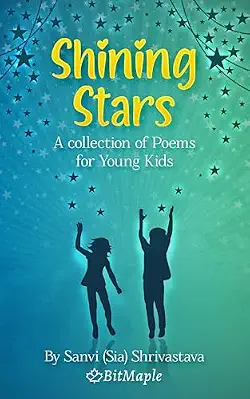 Buy on Amazon
 Buy on Amazon